What is Lead Generation? A Complete Guide for Businesses
What is Lead Generation? A Complete Guide for Businesses
Let me ask you a question. When was the last time you bought something from an advertisement the very first time you saw it? Probably never, right?
That’s because buying decisions aren’t instant. They’re a journey. Someone sees your ad, becomes curious, researches a bit, compares options, and only then makes a decision. This journey from “who are these people?” to “I want to buy from them” is what we call a lead.
And generating these leads? That’s what lead generation is all about.
At Flixaro, we’ve been helping businesses generate leads for over a decade. We’ve worked with 131+ clients across 14+ countries, and along the way, we’ve learned what actually works and what doesn’t. In this guide, I’m going to share everything we know about lead generation—so you can implement strategies that bring real results for your business.
Whether you’re a startup founder wondering where your next customer will come from, a marketing manager tired of spending money on ads that don’t convert, or a business owner looking to scale—this guide is for you.
Understanding Lead Generation
What Exactly is a Lead?
Before we dive deeper, let’s get our definitions straight.
A lead is simply someone who has shown interest in what you offer. This interest could be expressed in various ways—they filled out a contact form, downloaded an ebook, subscribed to your newsletter, or even just clicked on your ad to learn more.
Not all leads are created equal, though. There’s a big difference between someone who typed “marketing agency near me” out of curiosity versus someone who requested a pricing consultation because they’re ready to sign a contract this week. We call these different levels of lead readiness, and understanding this distinction is crucial for your business.
The Many Faces of Leads
Leads come in different shapes and forms, and knowing the difference can transform how you approach your marketing.
A marketing qualified lead (MQL) is someone who has engaged with your marketing efforts—downloaded a guide, attended a webinar, or filled out an inquiry form. They’ve shown interest, but they’re not necessarily ready to buy yet. They’re still in the “learning and comparing” phase.
A sales qualified lead (SQL) is further along the journey. They’ve actively indicated they’re ready to talk to a salesperson—maybe they requested a demo, asked for a quote, or added items to their cart and abandoned it. These are the leads your sales team should prioritize.
There’s also the product qualified lead (PQL)—common in SaaS businesses—who’s used your product enough to see its value, perhaps through a free trial, and is showing signals they’re ready to pay.
Understanding these categories helps you allocate your resources properly. You don’t want your sales team chasing people who just want a free ebook, and you don’t want to nurture someone who’s ready to buy with educational content they’re beyond.
Why Lead Generation Matters for Your Business
The Numbers Tell the Story
Here’s something that might surprise you. Companies that excel at lead generation generate 133% more revenue than those that don’t, according to research by HubSpot. That’s not a small difference—that’s a game-changing one.
Think about it this way. If your competitor is generating twice as many qualified leads as you are, they’re also getting twice as many opportunities to close deals. Even if your closing rate is slightly higher, volume usually wins.
But here’s what really gets me excited. The same research shows that companies with strong lead nurturing generate 80% more sales-ready leads at 33% lower cost per lead. That means not only are you getting more leads, but you’re getting them cheaper too—all because you’re nurturing the relationships properly.
Let me break down why this matters with some numbers that might hit home for your business:
| Lead Generation Factor | Impact on Business |
|---|---|
| Effective lead nurturing | 80% more sales-ready leads |
| Improved lead quality | 33% lower cost per lead |
| Companies prioritizing lead generation | 133% more revenue |
| Businesses using marketing automation | 14.5% increase in sales |
These aren’t just statistics. They’re opportunities sitting right in front of you.
Why Traditional Advertising Falls Short
You’ve probably seen this happen. A business runs a fancy ad campaign, gets thousands of impressions, maybe even hundreds of clicks—but barely any actual customers walk through the door.
That’s because traditional advertising focuses on reach and awareness. It tries to make as many people as possible aware of your existence. But awareness doesn’t equal interest, and interest doesn’t equal buying intent.
Lead generation is different. Instead of shouting into a crowd and hoping someone listens, you’re having conversations with people who actually want to hear what you have to say. You’re meeting them exactly where they are in their decision-making journey.
How Lead Generation Actually Works
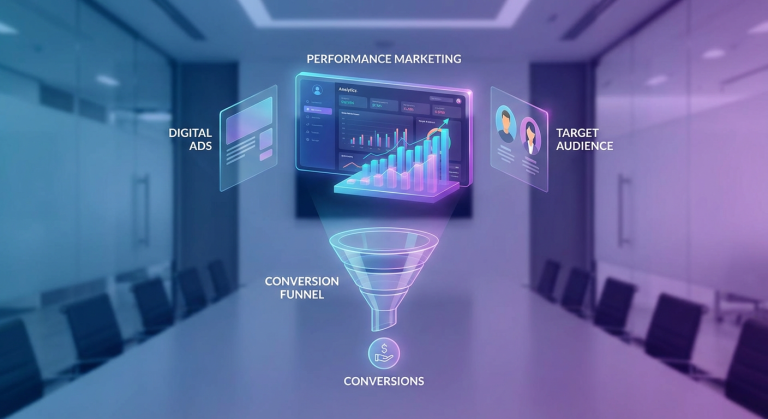
The Lead Generation Funnel
Imagine a funnel. Wide at the top, narrow at the bottom. That’s your lead generation funnel in a nutshell.
At the top, you have awareness. This is where you attract people who don’t know you exist yet. They might be searching for solutions to a problem you solve, scrolling through social media, or reading content related to your industry. Your job here is to get noticed.
As people move down the funnel, they become more interested and engaged. This is the consideration phase. They’re actively researching, comparing options, and evaluating whether you’re the right fit. Your job here is to provide the information they need to make a decision.
At the narrowest part of the funnel, you’ve got the decision phase. These are your hot leads—people who are ready to buy. They’ve narrowed down their options, and they’re looking for that final push to choose you. Your job here is to make it easy and compelling to say yes.
Every business’s funnel looks a bit different, but this basic structure holds true. The key is understanding where your prospects are in their journey and delivering the right message at the right time.
Channels That Generate Leads
Now, let’s talk about where these leads actually come from. There are two main categories: inbound and outbound.
Inbound lead generation is about attracting people to you. This includes search engine optimization (showing up when people Google solutions), content marketing (giving away valuable information in exchange for contact details), and social media (building relationships and trust over time). Inbound is slower but tends to generate higher quality leads who come to you already interested.
Outbound lead generation is about reaching out to people. This includes paid advertising (Google Ads, Facebook Ads, LinkedIn Ads), cold email outreach, and event marketing. Outbound is faster—you can start generating leads almost immediately—but it requires more budget and expertise to do well.
At Flixaro, we typically recommend a blend of both. Inbound builds a sustainable foundation, while outbound provides immediate results. Together, they create a powerful lead generation engine.
Types of Lead Generation Strategies
Paid Advertising: Fast Results, Measurable ROI
When you need leads now, paid advertising is your best friend. Platforms like Google, Facebook, LinkedIn, and Instagram let you target people based on demographics, interests, behaviors, and even their exact search queries.
Google Ads is particularly powerful because it captures people actively searching for what you offer. Someone typing “best marketing agency in Chennai” is telling you exactly what they need. Your job is to be there when they look.
Facebook and Instagram Ads excel at building awareness and nurturing interest through visually compelling content. You can target based on interests, job titles, companies, and even life events.
LinkedIn is the B2B playground. If you’re selling to businesses, LinkedIn’s targeting capabilities let you reach decision-makers at specific companies, job levels, and industries.
The beauty of paid advertising is measurability. Every impression, click, and conversion gets tracked. You know exactly what’s working and what’s not, which means you can optimize continuously for better results.
Content Marketing: The Gift That Keeps Giving
Here’s a secret that many businesses miss. The best leads often come from content you’ve already created.
When someone downloads your ebook on “10 Marketing Strategies for Real Estate,” they’re not just getting free information. They’re raising their hand and saying, “I’m interested in this topic, tell me more.” That’s a lead.
Content marketing works because it provides value upfront. You’re not asking for anything in return except their contact information. This creates goodwill and positions you as an authority in your space.
The most effective content formats for lead generation include comprehensive guides and ebooks that solve specific problems, webinars and virtual events where attendees register with their details, free tools and calculators that require email to access, and templates and checklists that make people’s lives easier.
Search Engine Optimization: Playing the Long Game
If content marketing is a gift that keeps giving, SEO is the gift that multiplies with time.
When your website ranks on the first page of Google for “lead generation services in Chennai” or “best marketing agency near me,” you’re getting free clicks from people actively looking for what you offer. That’s incredibly valuable real estate.
SEO takes time—there are no shortcuts that last. But the businesses that invest in SEO build a sustainable competitive advantage. While competitors burn money on paid ads, SEO winners sit pretty at the top of organic results, collecting leads at a fraction of the cost.
Measuring Lead Generation Success
Metrics That Actually Matter
Not all metrics are created equal. Here’s what you should actually be tracking:
Cost per lead (CPL) tells you how efficiently you’re generating leads. If you’re paying ₹500 per lead in one channel and ₹150 in another, you know where to focus your budget.
Conversion rate shows what percentage of visitors become leads. A landing page with a 5% conversion rate is doing twice as well as one at 2.5%. Optimization opportunities become clear when you track this.
Lead quality score is trickier to measure but incredibly important. A cheap lead who never converts costs you money. An expensive lead who becomes a loyal customer is worth every rupee. Track not just quantity, but quality through your sales pipeline.
Return on ad spend (ROAS) tells you if your paid advertising is profitable. If you spend ₹1 lakh on ads and generate ₹5 lakh in revenue, that’s a 5x ROAS. Different businesses have different targets, but you need to know this number.
Here’s a comparison of key lead generation metrics by channel:
| Channel | Avg. Cost Per Lead | Conversion Rate | Best For |
|---|---|---|---|
| Google Ads | ₹300-₹2,000 | 3-8% | High-intent leads |
| Facebook/Instagram | ₹150-₹800 | 2-5% | Awareness & nurturing |
| ₹500-₹3,000 | 4-10% | B2B decision-makers | |
| Content/SEO | ₹50-₹300 | 5-15% | Long-term leads |
Tools We Use for Tracking
These days, tracking lead generation has gotten sophisticated. Google Analytics shows you how people find and behave on your website. Google Tag Manager makes it easy to track specific actions without touching code. Your CRM keeps all lead information organized. And specialized tools like Hotjar or FullStory show you exactly how people interact with your pages.
The key is making sure everything is properly tracked before you launch campaigns. We always set up conversion tracking first—this way, we know from day one what’s working.
Common Lead Generation Mistakes
Mistake #1: Focusing on Quantity Over Quality
I see this all the time. Businesses get obsessed with generating as many leads as possible, regardless of quality. They end up with overflowing inboxes full of people who’ll never buy.
Here’s the thing. A hundred leads who are actually interested will always outperform a thousand leads who aren’t. It’s better to have 10 conversations with qualified prospects than 100 conversations with people who were just curious.
Mistake #2: Ignoring Lead Nurturing
Getting a lead is just the beginning. If you capture their information and then disappear, you’ve wasted an opportunity.
Lead nurturing is the art of staying in touch, providing value, and building relationships over time. A properly nurtured lead is 80% more likely to convert than an un-nurtured one. That means your follow-up game matters as much as your acquisition game.
Mistake #3: Not Optimizing Landing Pages
You could have the perfect ad targeting the perfect audience, but if your landing page doesn’t convert, you’re throwing money away.
Common landing page mistakes include too many form fields (keep it short), distracting navigation (don’t give them somewhere else to go), weak headlines (grab attention immediately), and slow load times (people won’t wait).
The best approach? Test relentlessly. A/B test headlines, images, form lengths, and copy. Small improvements compound into massive gains over time.
The Future of Lead Generation
AI is Changing Everything
Artificial intelligence is revolutionizing how we generate leads. We’re seeing AI-powered tools that can predict which leads are most likely to convert, personalize outreach at scale, automate lead scoring, and chat with website visitors 24/7.
At Flixaro, we’ve embraced AI in our own lead generation. We’ve seen client results improve by 30-50% simply by implementing AI-powered chatbots and predictive scoring. The businesses that adopt these technologies now will have a significant advantage.
Privacy Changes Are Reshaping the Landscape
Third-party cookies are going away. Privacy regulations are getting stricter. iOS updates have limited tracking capabilities.
These changes sound scary, but they’re actually pushing us toward better marketing. First-party data—information people give you directly—is becoming more valuable than ever. Consent-based marketing—where people explicitly opt in to hear from you—is replacing interruptive advertising.
The businesses that thrive will be those that focus on building genuine relationships, creating real value, and respecting their audience’s privacy and preferences.
How to Get Started with Lead Generation
Step 1: Define Your Ideal Customer
Before you generate a single lead, you need to know exactly who you’re trying to reach. What does your perfect customer look like? What are their pain points? Where do they hang out online? What would make them say yes to your offer?
The more specific you can be, the better your targeting will be. “Small business owners in Chennai interested in marketing” is okay. “Dentists in Chennai with 2-5 locations looking to increase patient bookings” is much better.
Step 2: Choose Your Channels
Based on who your ideal customer is, figure out where you’ll find them. B2B decision-makers? LinkedIn and Google. Young professionals? Instagram and Facebook. Local service seekers? Google and local directories.
You don’t need to be everywhere. Pick 2-3 channels where your audience spends time, and go deep rather than spreading thin.
Step 3: Create Your Offer
What’s going to make someone give you their contact information? It needs to be valuable enough to justify their email address or phone number.
Common offers that work include comprehensive guides that solve a specific problem, free consultations or assessments, tools and templates that make life easier, webinars with expert insights, and trials or demos of your product or service.
Step 4: Build Your Infrastructure
Before you drive traffic, make sure your website can capture and handle leads. This means having landing pages ready, forms set up to collect the right information, email sequences for follow-up, and CRM to organize and track leads.
Step 5: Launch, Measure, Optimize
Start small, track everything, and continuously improve. What works today might not work tomorrow, and what doesn’t work today might work next year. Stay agile, keep testing, and never stop optimizing.
Conclusion
Lead generation isn’t a nice-to-have anymore. It’s essential for any business that wants to grow. Your competitors are generating leads. Your potential customers are being courted by others.
The good news? You now understand how lead generation works, what strategies to use, and how to measure success. You have a roadmap.
The next step is yours to take. Whether you implement these strategies yourself or partner with experts who can accelerate your growth, the time to act is now.
At Flixaro, we’ve helped 131+ businesses transform their lead generation. If you’re ready to generate more leads, convert them better, and grow faster, we’d love to talk.
Ready to start generating leads that actually convert? Email us at heyflixaro@gmail.com or call +91 8148301038 and let’s build a lead generation strategy that works for your business.
Frequently Asked Questions
What is the average cost per lead in India?
Costs vary widely by industry and channel. B2B leads typically cost ₹500-₹5,000+, while e-commerce leads might be ₹50-₹500. We’ll provide specific projections based on your industry and goals.
How long does it take to see results from lead generation?
Paid advertising can generate leads within days. Content and SEO typically take 3-6 months for significant results. The key is starting and staying consistent.
What’s the difference between inbound and outbound lead generation?
Inbound attracts people to you through valuable content. Outbound reaches out to people through ads, email, or calls. Both work; most businesses benefit from a mix of both.
How many leads should my business be generating?
This depends on your industry, conversion rates, and revenue goals. A service business might need 50-100 leads monthly to hit revenue targets. We’ll help you calculate your specific targets.
Can small businesses compete with big companies for leads?
Absolutely. Smaller businesses can often win by being more nimble, more personalized, and more focused on niche markets. Big companies can’t serve everyone, which creates opportunities for you.