Performance Based Marketing: What It Is and How It Works
The Foundation of Pay-For-Results Marketing
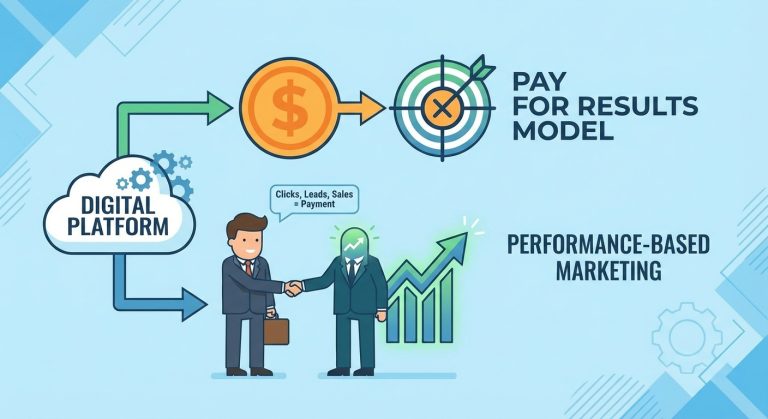
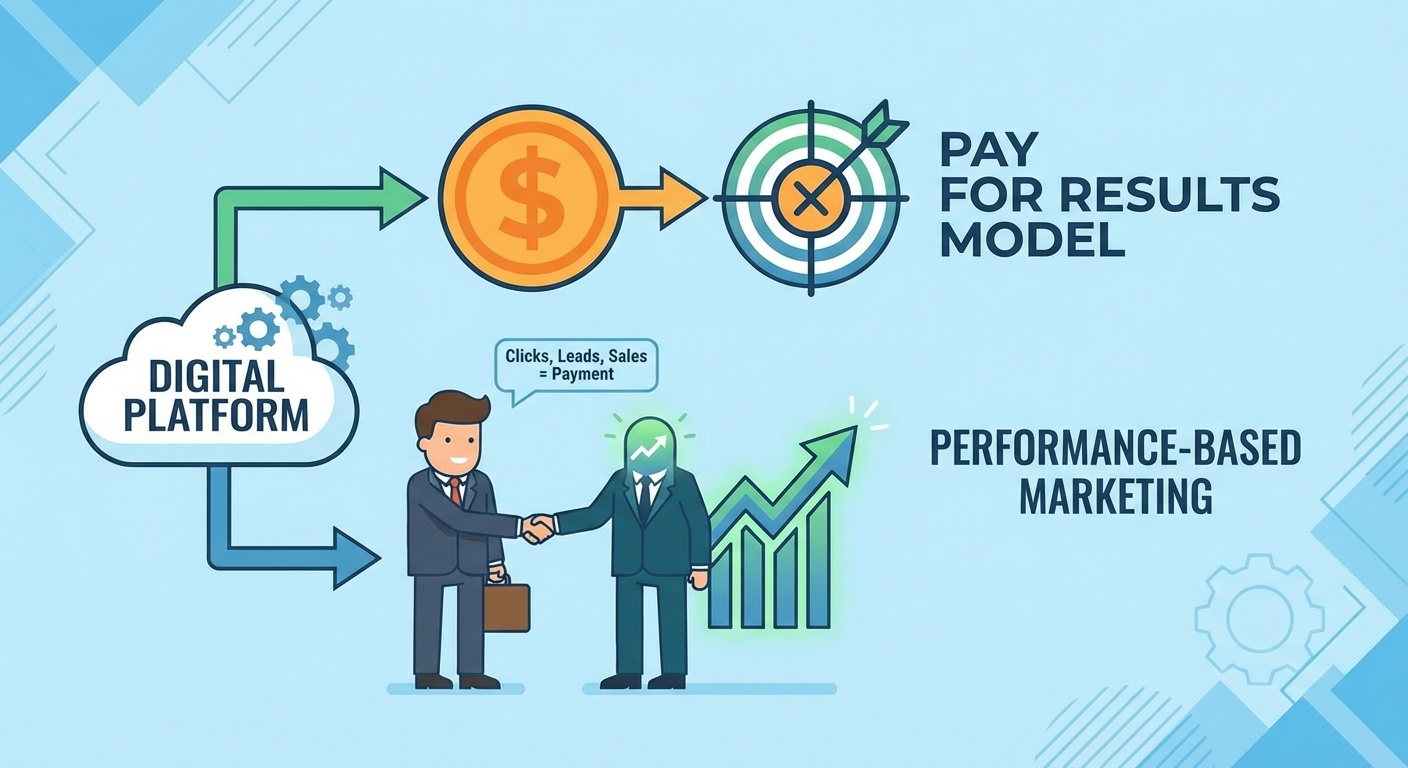
Performance based marketing represents a fundamental shift in how businesses approach advertising. Rather than paying for exposure or impressions that may or may not generate results, companies compensate their marketing partners exclusively when specific actions occur. This model has transformed the advertising landscape, creating unprecedented accountability and efficiency.
The concept is elegantly simple: align payment with outcomes. When marketers succeed, they earn. When they don’t, they don’t get paid. This creates powerful incentives for delivering genuine results rather than simply generating activity that looks productive but fails to produce meaningful business outcomes.
Understanding the Payment Models
Several distinct payment models fall under the performance based marketing umbrella. Understanding each helps businesses choose the right approach for their objectives.
Cost Per Click (CPC)
CPC models charge advertisers whenever someone clicks on their advertisement. This model works well for driving website traffic and brand awareness, though it doesn’t guarantee meaningful engagement or conversions. Google Ads operates primarily on CPC (technically cost-per-click) principles through its pay-per-click system.
Cost Per Lead (CPL)
CPL shifts payment to when users complete desired actions beyond simple clicks—form submissions, newsletter signups, or demo requests. This model suits businesses with longer sales cycles where immediate purchases aren’t expected. B2B companies particularly favor CPL arrangements because they focus on generating qualified prospects rather than instant sales.
Cost Per Sale (CPS) / Affiliate Marketing
The most outcome-focused model charges only when products or services are sold. Affiliate marketing exemplifies this approach, with publishers earning commissions on resulting sales. This model minimizes advertiser risk but typically requires established products and conversion-optimized funnels.
Cost Per Thousand (CPM)
Though less directly “performance” focused, CPM charges per thousand impressions. Many performance marketers use CPM strategically for brand awareness campaigns that support their performance-focused initiatives.
Key Components of Successful Implementation
Effective performance based marketing requires several interconnected elements working together seamlessly.
Clear conversion tracking forms the foundation. Without precise attribution, determining which channels and campaigns drive results becomes impossible. Modern tracking utilizes multiple data points including cookies, pixels, server-side tracking, and cross-device attribution to create comprehensive pictures of customer journeys.
Defined key performance indicators (KPIs) ensure everyone understands success metrics. These should align with business objectives—ideally revenue or revenue-adjacent metrics rather than vanity metrics that look impressive but fail to impact the bottom line.
Robust fraud prevention protects budget from illegitimate traffic. Click fraud and fake conversions drain resources from legitimate campaigns. Sophisticated detection systems identify suspicious patterns, protecting both advertisers and legitimate publishers.
The Technology Ecosystem
Performance based marketing depends heavily on sophisticated technology infrastructure that enables tracking, optimization, and attribution at scale.
Marketing attribution platforms analyze multi-touch journeys, assigning credit across various touchpoints that influence purchase decisions. This complexity reflects the reality that modern customer journeys rarely involve single interactions.
Demand-side platforms (DSPs) enable advertisers to manage campaigns across multiple networks and exchanges from single interfaces, automating bid optimization and audience targeting through machine learning algorithms.
Customer data platforms (CDPs) unify data from various sources, creating comprehensive customer profiles that inform targeting and personalization efforts across the performance marketing ecosystem.
Building Publisher Relationships
Success in performance based marketing depends significantly on publisher relationships. These partnerships require careful cultivation and management.
Quality publishers value long-term relationships over quick wins. They understand that sustainable income requires delivering genuine value—traffic that converts rather than clicks that bounce. Vetting potential partners through trial campaigns before committing significant budgets helps identify those committed to quality.
Clear communication of expectations prevents misunderstandings. Publishers should understand not just what actions trigger payment, but why those specific actions matter to advertiser success. This context enables more intelligent optimization.
Competitive compensation maintains publisher motivation. While negotiating rates makes business sense, rates so low that publishers can’t profitably promote products eventually harm everyone involved in the ecosystem.
Optimizing for Profitability
Performance based marketing doesn’t end with campaign launch. Continuous optimization separates profitable campaigns from money-losing ones.
A/B testing enables systematic improvement. Test variables include creative elements (images, headlines, copy), targeting parameters, landing pages, and offers. Each test builds understanding that compounds over time.
Audience refinement improves targeting precision. Initial broad targeting often proves necessary for learning, but progressively narrower segments typically deliver superior efficiency as campaigns mature.
Creative refreshes combat ad fatigue. Users eventually ignore familiar advertisements. Regular creative rotation maintains engagement and prevents performance degradation.
Common Challenges and Solutions
Performance based marketing presents unique challenges that require sophisticated solutions.
Attribution complexity increases as customer journeys extend across devices and timeframes. Multi-touch attribution models help, though no single approach perfectly captures influence across all touchpoints. The solution involves accepting attribution imperfection while making best-effort optimization decisions.
Fraud remains an ongoing concern. Both click fraud and conversion fraud threaten campaign profitability. Implementing sophisticated detection, working with reputable networks, and maintaining vigilant monitoring helps minimize losses.
Cookie deprecation and privacy regulations limit tracking capabilities. Building first-party data strategies, exploring contextual targeting alternatives, and adopting privacy-compliant measurement approaches positions campaigns for success in the post-third-party-cookie world.
Future Trends Shaping the Industry
The performance marketing landscape continues evolving rapidly, with several trends particularly worth monitoring.
Artificial intelligence increasingly automates optimization decisions, with machine learning algorithms managing bids, targeting, and creative decisions faster and more precisely than human analysts can achieve.
Connected TV and streaming platforms adopt performance-based models previously limited to digital channels, creating new opportunities for brands seeking measurable video advertising at scale.
First-party data strategies become essential as third-party tracking capabilities diminish. Brands that invest in building direct customer relationships gain competitive advantages in targeting and measurement.
Frequently Asked Questions
What’s the difference between performance marketing and affiliate marketing?
Affiliate marketing is a subset of performance marketing where publishers (affiliates) promote products in exchange for sales commissions. Performance marketing encompasses all models where payment ties to measurable actions—including CPC, CPL, and CPS arrangements.
How do I prevent click fraud in my campaigns?
Use fraud detection software, monitor traffic patterns for anomalies, work with trusted platforms, and consider implementing click-to-call tracking that requires genuine user engagement. Regular audit of conversion data helps identify suspicious patterns early.
What conversion actions should I track?
Choose actions that indicate genuine business value: purchases for e-commerce, form submissions or demo requests for B2B, app installs for mobile applications, or newsletter signups for content businesses. The key is selecting metrics that genuinely connect to revenue.
Can small businesses benefit from performance based marketing?
Yes. The model’s scalability accommodates businesses at every level. Start with small budgets, prove profitability, then scale. The low-risk nature makes it ideal for businesses cautious about large advertising commitments.