What Is Performance Marketing: Complete Guide for 2026
Understanding Performance Marketing: A Complete Overview
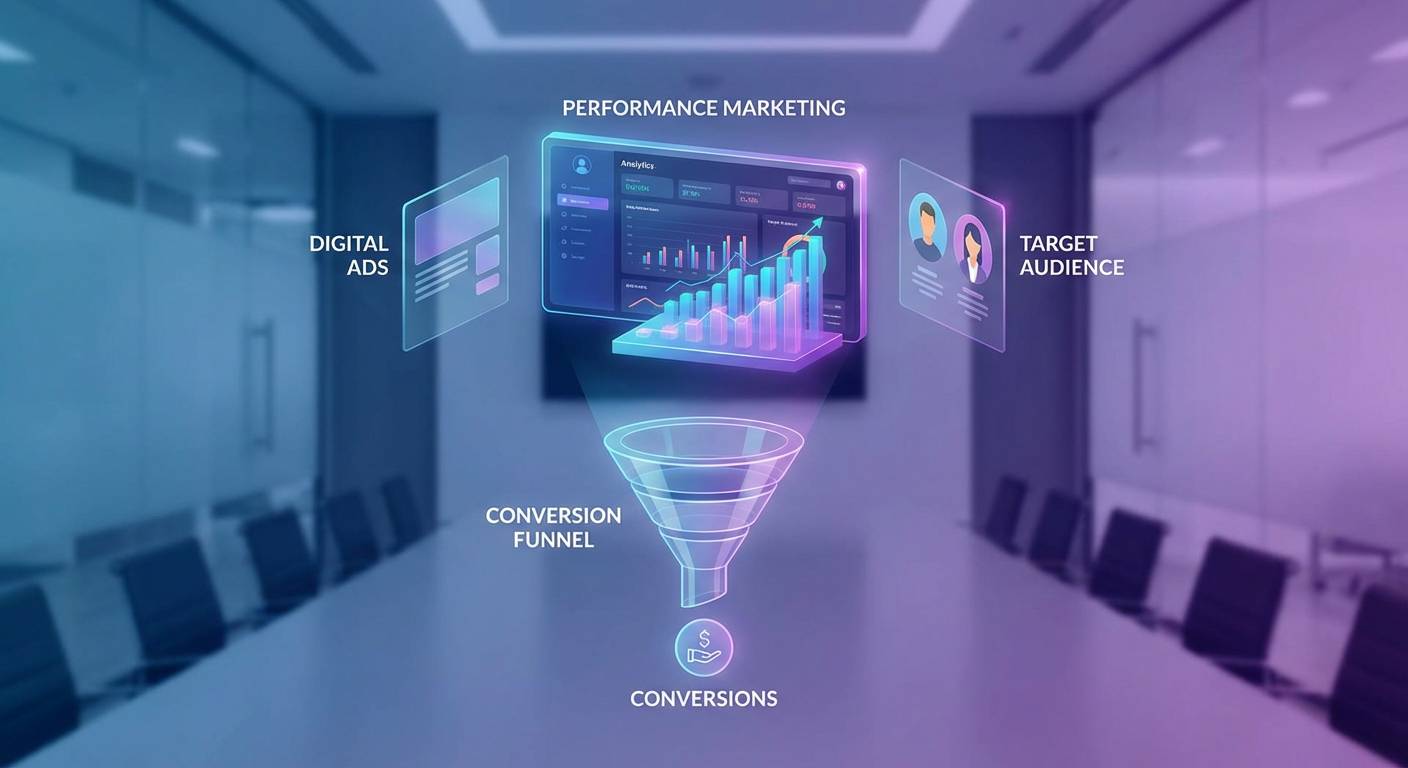
Performance marketing represents one of the most significant shifts in the advertising industry over the past decade. Unlike traditional marketing methods that rely on broad reach and brand exposure, performance marketing focuses exclusively on measurable outcomes and return on investment. This comprehensive guide explores everything you need to know about performance marketing in 2026, including strategies, channels, and best practices that drive real business results.
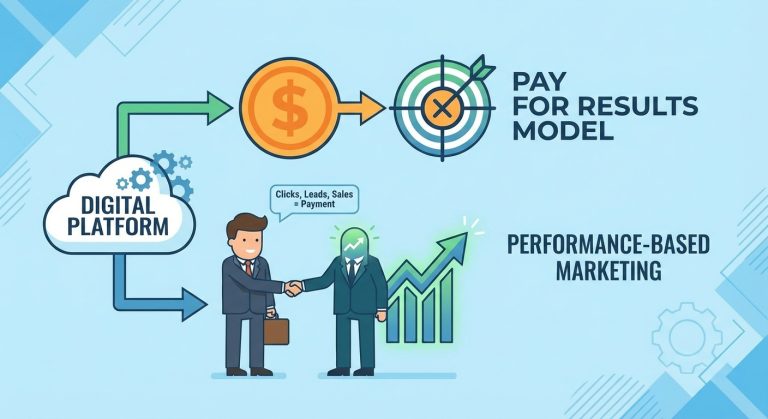
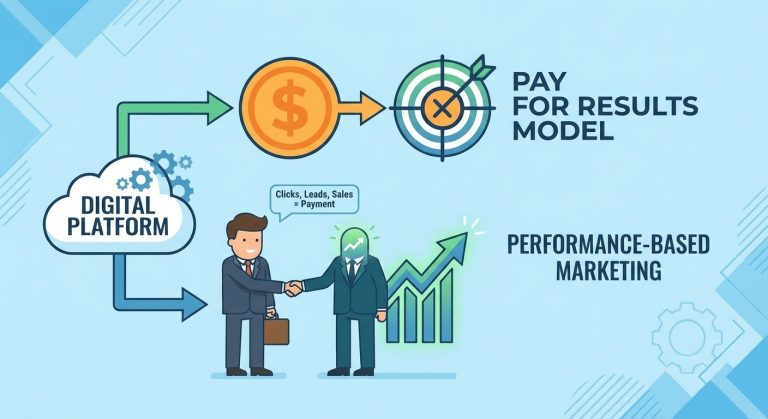
At its core, performance marketing is a results-driven approach to digital advertising where advertisers pay only for specific actions—clicks, leads, or sales—rather than for mere ad impressions. This model fundamentally changes how businesses allocate their marketing budgets, ensuring that every dollar spent can be directly traced to tangible outcomes.
The Foundation of Performance Marketing
The concept of performance marketing emerged from the need for more accountability in advertising. Traditional marketing channels like television, radio, and print advertising offered limited tracking capabilities, making it difficult to determine exactly how many customers converted from a specific campaign. Performance marketing solved this problem by creating a direct connection between advertising spend and measurable results.
According to industry research from eMarketer, companies that adopt performance marketing strategies see an average of 30% improvement in marketing ROI compared to traditional methods. This efficiency has made performance marketing the preferred choice for businesses of all sizes, from startups to enterprise corporations.
The performance marketing ecosystem comprises several key components working together to deliver measurable results:
- Advertisers: Businesses seeking specific actions from their target audience
- Publishers: Platforms that display ads and receive compensation for results delivered
- Networks: Middlemen that connect advertisers with publishers and provide tracking technology
- Tracking Technology: Software that measures and attributes conversions to specific campaigns
How Performance Marketing Differs from Traditional Marketing
Understanding the fundamental differences between performance marketing and traditional marketing helps businesses make informed decisions about their advertising strategies. Traditional marketing operates on a “spray and pray” methodology—advertisers pay for exposure to a broad audience with no guarantee of results. Think of a television commercial during the Super Bowl: millions of people see the ad, but only a fraction takes action.
Performance marketing inverts this model entirely. Advertisers set specific goals—whether that’s website visits, lead form submissions, or product purchases—and pay only when those goals are achieved. This creates a risk-reward structure that benefits businesses of all sizes.
Key Differentiators
The most significant difference lies in payment models. In traditional marketing, advertisers pay for impressions or placement regardless of results. In performance marketing, payment is directly tied to specific actions, creating inherent accountability.
Measurement capabilities also differ dramatically. Traditional marketing relies on estimation and correlation; performance marketing uses precise tracking to attribute every conversion to its source. This granular attribution enables continuous optimization and improvement.
The flexibility factor cannot be overstated. Traditional marketing campaigns often require significant upfront commitments with fixed timelines. Performance marketing campaigns can be launched, adjusted, or paused in real-time based on performance data.
Major Performance Marketing Channels
Performance marketing utilizes multiple channels, each with unique strengths and audience characteristics. Understanding these channels helps businesses build comprehensive strategies that maximize reach while maintaining cost efficiency.
Pay-Per-Click Advertising
PPC advertising remains the cornerstone of most performance marketing strategies. Google Ads dominates this space, with businesses paying for clicks when users search for relevant keywords. The auction-based system means advertisers compete in real-time for ad placement, with the highest-quality ads and bids typically winning positions.
According to Google, businesses earn an average of $2 in revenue for every $1 spent on Google Ads. However, this varies significantly by industry, keyword competitiveness, and campaign optimization levels.
Social Media Advertising
Platforms like Facebook, Instagram, LinkedIn, and TikTok offer sophisticated targeting capabilities that enable advertisers to reach specific audience segments based on demographics, interests, behaviors, and lookalike audiences. These platforms provide various campaign objectives, from brand awareness to conversion-focused advertising.
Meta’s advertising platform reports that over 200 million businesses use their advertising tools globally, demonstrating the widespread adoption of social performance marketing.
Affiliate Marketing
Affiliate marketing represents one of the oldest forms of performance marketing, where publishers (affiliates) promote products or services in exchange for commissions on resulting sales. This model has evolved significantly, with modern affiliate programs incorporating sophisticated tracking, coupon systems, and influencer partnerships.
The affiliate marketing industry is projected to reach $27 billion by 2028, according to Business Insider Intelligence, making it a substantial channel within the performance marketing ecosystem.
Native Advertising
Native ads blend seamlessly with surrounding content, providing a less disruptive advertising experience. These ads appear in news feeds, article content, and recommended sections of websites, offering higher engagement rates than traditional display advertising.
The Technology Behind Performance Marketing
Modern performance marketing relies heavily on sophisticated technology stack that enables precise targeting, real-time optimization, and accurate attribution. Understanding this technology helps marketers make informed decisions about their tools and platforms.
Tracking and Attribution
At the heart of performance marketing lies comprehensive tracking technology. Pixel-based tracking, cookies, and server-side tracking work together to capture user interactions across websites and devices. This data forms the foundation for understanding which campaigns, channels, and creative elements drive conversions.
Marketing attribution models have evolved to handle the complex customer journey. Multi-touch attribution (MTA) assigns credit across multiple touchpoints, while position-based and time-decay models provide alternative perspectives on conversion paths.
Programmatic Advertising
Programmatic advertising automates the buying and selling of digital ad inventory through real-time bidding (RTB). This technology enables advertisers to reach specific audiences at scale, with algorithms determining optimal placement and bid amounts in milliseconds.
The programmatic advertising market is expected to exceed $600 billion globally by 2027, reflecting the industry’s rapid adoption across enterprise and mid-market companies.
Performance Marketing Metrics That Matter
Successful performance marketing requires deep understanding of key metrics that indicate campaign health and profitability. While numerous metrics exist, focusing on core KPIs ensures alignment between marketing activities and business objectives.
Cost Per Acquisition (CPA)
CPA measures the total cost of acquiring a customer through a specific campaign or channel. This metric directly impacts profitability and helps determine which campaigns deserve additional investment. Lower CPA indicates more efficient customer acquisition.
Return on Ad Spend (ROAS)
ROAS calculates revenue generated for every dollar spent on advertising. A 4:1 ROAS means $4 in revenue for every $1 in ad spend—a common benchmark for profitable campaigns. However, acceptable ROAS varies by industry, with some sectors requiring higher ratios for viability.
Customer Lifetime Value (LTV)
LTV represents the total revenue a business expects to earn from a customer throughout their relationship. Understanding LTV enables businesses to make strategic decisions about customer acquisition costs, sometimes accepting higher CPA in exchange for customers with greater long-term value.
Case Study: E-commerce Brand Achieves 300% ROAS
A direct-to-consumer skincare brand implemented a comprehensive performance marketing strategy across Google Ads, Facebook, and affiliate channels. By implementing rigorous A/B testing, sophisticated audience segmentation, and continuous creative optimization, the brand achieved remarkable results within six months.
Their journey began with baseline ROAS of 1.8:1 through generic campaigns targeting broad audiences. Through systematic testing, they discovered that video content featuring real customers sharing transformation stories outperformed static product images by 47% in conversion rate.
By the twelfth month, their optimized strategy delivered 3.2:1 ROAS, representing a 78% improvement from their initial performance. Customer acquisition cost decreased from $38 to $22, while average order value increased from $67 to $89 through upselling strategies implemented within their conversion funnel.
This case demonstrates the compounding effect of continuous optimization in performance marketing—what begins as modest improvements compounds into transformative results over time.
Emerging Trends in Performance Marketing for 2026
The performance marketing landscape continues evolving rapidly, with technological advancements and privacy regulations reshaping how businesses approach digital advertising.
Artificial Intelligence Integration
AI has become integral to performance marketing success. Machine learning algorithms now power bid strategies, audience targeting, creative optimization, and predictive analytics. Advertisers leveraging AI report average efficiency improvements of 25-40% compared to manual optimization approaches.
Privacy-First Marketing
With third-party cookies deprecation and expanding privacy regulations, performance marketers must adapt to a world with less granular user tracking. First-party data strategies, contextual targeting, and privacy-compliant measurement solutions have become essential competencies.
Connected TV and Streaming
Performance marketing principles are expanding into connected TV (CTV) advertising, where streaming platforms offer addressable targeting with performance-based pricing models previously only available in digital channels.
How to Get Started with Performance Marketing
Beginning a performance marketing journey requires systematic planning and realistic expectations. While the model offers superior measurability, success requires commitment to testing, learning, and optimization.
Start with clear objectives—what specific actions do you want users to take? Build your tracking infrastructure before launching campaigns. Begin with controlled budgets, learn what works, then scale successful initiatives.
Remember that performance marketing is not a “set and forget” activity. Continuous testing, optimization, and refinement separate successful campaigns from unsuccessful ones. The businesses that thrive in this space treat every campaign as a learning opportunity.
Frequently Asked Questions
What is the main difference between performance marketing and traditional marketing?
Performance marketing pays for specific actions (clicks, leads, sales) rather than ad impressions. This creates direct accountability—advertisers only pay when users take desired actions. Traditional marketing typically charges for reach or placement regardless of actual results.
How long does it take to see results from performance marketing?
Some results can appear within days of launching campaigns, particularly with well-optimized PPC campaigns. However, achieving optimal efficiency typically requires 3-6 months of continuous testing and refinement. The learning phase is crucial for long-term success.
What budget do I need to start performance marketing?
Performance marketing accommodates budgets across all sizes. Many platforms allow starting with daily budgets as low as $5-10. However, meaningful learning typically requires minimum monthly budgets of $1,000-2,000 to generate sufficient data for optimization decisions.
Is performance marketing suitable for small businesses?
Absolutely. Performance marketing’s pay-for-results model makes it particularly attractive for small businesses with limited marketing budgets. You can start small, prove profitability, then scale gradually as results justify additional investment.
Which performance marketing channel is best?
No single channel is universally “best”—optimal channels depend on your audience, product, and business objectives. Most successful strategies combine multiple channels. Begin with channels where your audience spends time, then expand based on performance data.
How does AI affect performance marketing?
AI has revolutionized performance marketing through automated bid management, predictive audience targeting, creative optimization, and advanced attribution. Marketers leveraging AI typically achieve 25-40% better efficiency compared to manual-only approaches.